Exactly How CNC Machining Providers Enhance Effectiveness in Milling and Transforming Procedures
CNC machining solutions play an essential duty in improving efficiency within milling and turning procedures. By utilizing automation and precise control, these services lessen human mistake and warranty consistent output. The ability to deal with complicated geometries and keep limited resistances simplifies manufacturing. However, the full level of CNC technology's impact goes beyond basic efficiency gains. There are much deeper ramifications and future patterns that call for additional exploration.
The Basics of CNC Machining
CNC machining is an exact manufacturing process that utilizes computer-controlled machines to generate complex components and elements. This technology employs computer-aided layout (CAD) software program to develop in-depth designs, which are then converted right into equipment directions. The process usually involves various procedures such as milling, turning, and drilling, making it possible for makers to accomplish high levels of precision and repeatability.
CNC makers are geared up with innovative tooling that can control materials like plastic, wood, and metal. They operate via a series of commands that determine motions, speeds, and device modifications, reducing human error and improving production performance.
The automation intrinsic in CNC machining allows for limited tolerances and intricate geometries to be constantly produced, making it a recommended option in industries needing precision, such as aerospace and automotive. Recognizing the basics of CNC machining is important for appreciating its duty in contemporary manufacturing processes.
Advantages of CNC Machining in Milling
CNC machining offers significant advantages in milling procedures, specifically pertaining to precision and accuracy. This modern technology not only enhances manufacturing rate however also enables the creation of complex designs that would certainly be challenging to attain manually. As an outcome, businesses can improve performance and expand their capabilities in production.
Precision and Accuracy
Accomplishing unparalleled precision and precision in milling processes is a hallmark of sophisticated machining techniques. CNC machining services use computer-controlled systems that meticulously perform styles with marginal human treatment. This automation assures that each cut and shape is executed to exact specifications, significantly reducing the risk of errors commonly related to manual milling. The capability to produce intricate geometries with limited tolerances is a crucial advantage, allowing suppliers to fulfill rigorous top quality needs. In addition, CNC equipments can keep regular efficiency across multiple runs, guaranteeing uniformity in manufacturing. This degree of accuracy not only enhances product top quality yet additionally minimizes material waste, resulting in more efficient usage of sources. In general, CNC machining services revolutionize milling procedures with their commitment to accuracy and information.
Boosted Manufacturing Speed
Accelerating manufacturing rate is among the standout benefits of modern-day machining solutions. CNC machining considerably minimizes the time required for crushing procedures by automating operations and lessening hand-operated intervention. Machines can run constantly, enabling raised outcome without sacrificing top quality. The capability to program multiple jobs into a solitary setup better enhances production, allowing manufacturers to full complex jobs in much less time. Additionally, CNC equipments preserve high-speed cutting capacities, leading to quicker product elimination and faster cycle times. This enhanced effectiveness translates to shorter preparations, allowing companies to respond promptly to market demands. On the whole, boosted manufacturing speed via CNC machining not only enhances efficiency but additionally enhances competitive benefit in the production market.
Complex Layout Abilities
The ability to develop complex styles is a considerable advantage of modern-day machining services. CNC machining permits the manufacturing of complicated geometries that would be tough, otherwise impossible, to attain utilizing traditional techniques. This capability originates from advanced programming and automated tools that specifically follow electronic blueprints, guaranteeing precision and repeatability. As an outcome, manufacturers can generate elaborate components with limited tolerances, enhancing efficiency in numerous applications. Additionally, the versatility of CNC equipments enables quick modifications to design specifications without comprehensive retooling, simplifying the manufacturing procedure. This adaptability not only enhances creativity in layout but likewise enables efficient testing and advancement, offering companies an one-upmanship in the ever-evolving market.
Benefits of CNC Turning Processes
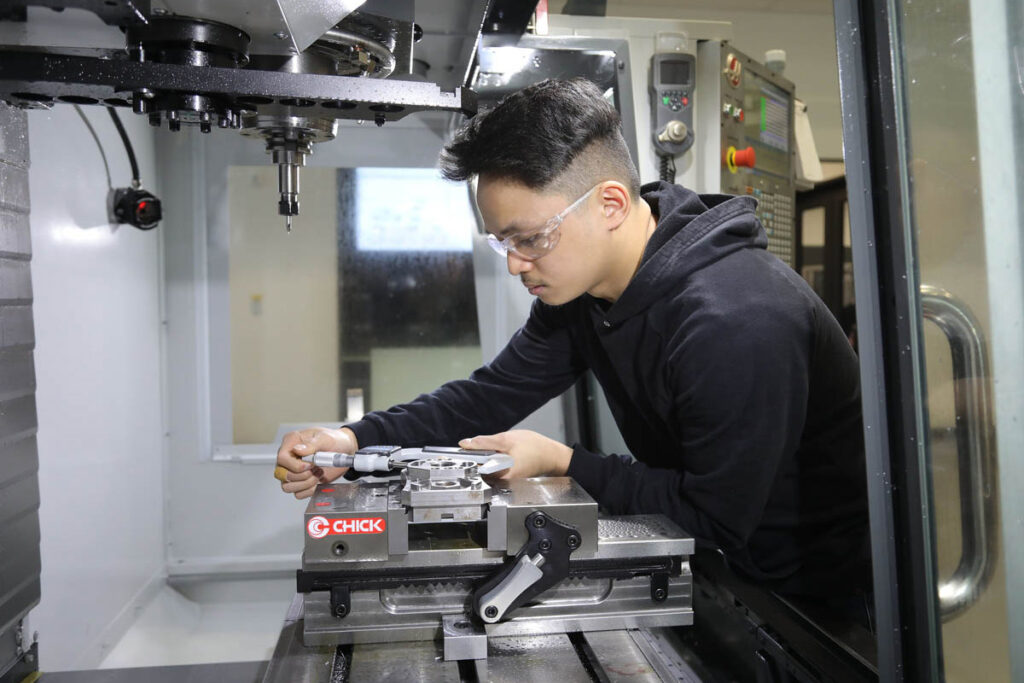
CNC transforming processes offer substantial advantages in manufacturing, especially relating to precision and precision. These processes permit the development of highly described components with marginal tolerances, making sure quality in manufacturing. Additionally, the effectiveness of CNC turning contributes to lowered lead times, making it possible for faster distribution of finished products.
Precision and Accuracy
Precision and accuracy are characteristic qualities of CNC transforming processes, setting them apart in the production landscape. These processes use computer system mathematical control to direct reducing devices with unrivaled exactness. This leads to parts that meet rigid specifications and tolerances, minimizing the likelihood of errors. CNC turning permits for repeatable and consistent manufacturing, ensuring that each part is practically similar, which is essential in industries needing high criteria, such as aerospace and clinical devices - fast prototyping. Furthermore, advanced software application and modern technology make it possible for real-time changes during machining, enhancing overall high quality. By lessening human mistake and maximizing control over the manufacturing process, CNC turning services provide exceptional precision and accuracy, making them a vital option for contemporary production requirements
Minimized Lead Times
Minimized preparations are a substantial benefit of CNC transforming procedures, originating from their capacity to optimize and automate production. CNC turning devices operate with high efficiency, permitting fast configuration and execution of multiple tasks without the demand for considerable hand-operated intervention. This automation lessens downtime and speeds up the manufacturing procedure, allowing quicker turnaround for orders. Additionally, CNC modern technology improves consistency and reduces mistakes, which even more adds to much faster manufacturing cycles. Because of view this, organizations can fulfill tight target dates and react quickly to market needs. By leveraging CNC transforming procedures, companies can simplify process, improve source allotment, and inevitably enhance their competitive edge through reduced preparations.
Precision and Accuracy in Manufacturing
While making processes have actually progressed considerably for many years, the importance of accuracy and accuracy continues to be critical. In CNC machining, these 2 aspects are critical to creating high-quality elements that meet precise requirements. The integration of innovative computer innovation permits for precise control over machining criteria, ensuring that components are crafted with marginal discrepancy from desired designs.
Precision in producing describes the repeatability of processes, while accuracy signifies just how closely a finished component straightens with its link intended dimensions. CNC makers make use of sophisticated software application and devices that make it possible for manufacturers to accomplish both, significantly lowering the margin for error - tool and die maker. This ability is especially necessary in industries such as aerospace, vehicle, and clinical, where also small errors can bring about catastrophic failures
Decreasing Lead Times With CNC Technology
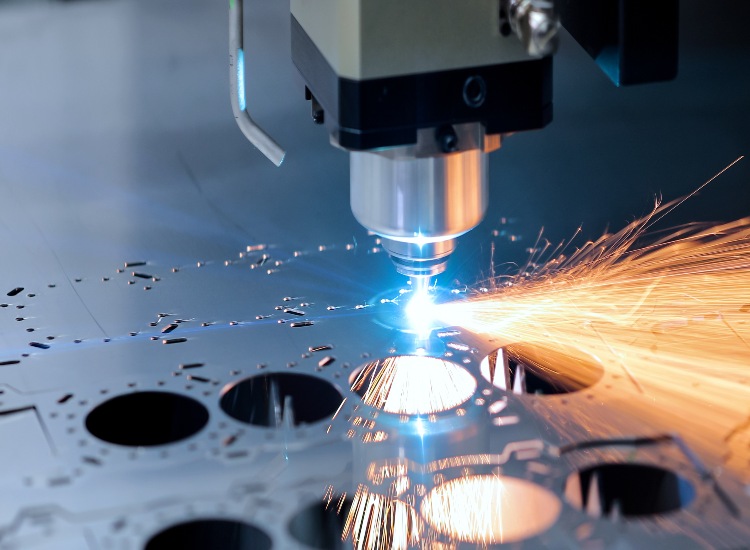
CNC modern technology speeds up production timelines by simplifying the machining process. By automating jobs, CNC makers reduce manual treatment, significantly reducing the moment required for arrangement and operation. This performance allows manufacturers to react swiftly to market needs, fulfilling orders faster than standard machining methods permit.
Furthermore, CNC modern technology uses quick prototyping abilities, permitting fast iterations and changes based on client feedback. The accuracy of CNC machining guarantees that components are generated properly the very first time, decreasing the probability of costly errors and revamp.
Furthermore, advanced scheduling and programs capacities optimize operations, permitting multiple procedures to run concurrently. This integration of innovation not just reduces lead times yet also enhances general performance. Inevitably, the adoption of CNC machining services outfits manufacturers with the tools required to satisfy limited target dates while keeping high-quality standards in production.
The Future of CNC Machining in Sector
As makers progressively embrace CNC innovation to improve processes and reduce preparations, the future of CNC machining in sector appears appealing. Advancements such as man-made intelligence and device learning are established to change the abilities of CNC devices, enhancing their accuracy and flexibility. These developments will promote real-time tracking and anticipating upkeep, reducing downtime and maximizing production efficiency.
Additionally, the combination click for more of Net of Things (IoT) technologies will certainly enable much better data collection and evaluation, allowing suppliers to make educated choices that even more boost operational efficiency. The rise of additive production alongside CNC machining is expected to enhance traditional approaches, providing higher layout flexibility and material performance.
Additionally, as sustainability ends up being a top priority, CNC machining is developing to integrate environmentally friendly methods, which will certainly attract ecologically mindful customers. On the whole, the future of CNC machining is characterized by constant technology and adaptation, positioning it as a foundation of contemporary production.
Regularly Asked Questions
What Materials Are Suitable With CNC Machining Providers?
CNC machining services are compatible with various materials, consisting of steels like titanium, light weight aluminum, and steel, along with plastics such as acrylic and polycarbonate. Wood and composites likewise fit CNC procedures for varied applications.
Just How Does CNC Machining Contrast to Typical Machining Approaches?
CNC machining supplies greater uniformity, automation, and accuracy compared to conventional techniques. It lowers human mistake, increases production rate, and permits for complex styles, making it a premium selection in modern manufacturing atmospheres.
What Industries Benefit one of the most From CNC Machining Providers?
The aerospace, automobile, medical, and electronic devices industries benefit significantly from CNC machining services. These industries leverage rate, precision, and customization to improve product top quality while decreasing production prices and time, eventually boosting general operational performance.
Can CNC Machines Deal With Complex Geometries and Styles?
CNC machines are experienced at managing complex geometries and layouts, permitting accuracy and elaborate describing. Their sophisticated shows abilities make it possible for producers to develop elements with high precision, meeting varied industry needs and enhancing item capability.
What Is the Normal Cost Variety for CNC Machining Providers?
The common price range for CNC machining solutions differs widely, generally falling in between $50 to $150 per hour, depending on aspects such as product, complexity, quantity, and the details machining processes utilized.
CNC machining is an exact manufacturing procedure that makes use of computer-controlled machines to generate intricate parts and elements. CNC machining offers significant advantages in milling procedures, specifically concerning precision and precision. CNC machining substantially reduces the time required for grating procedures by automating procedures and minimizing manual intervention. CNC innovation speeds up production timelines by streamlining the machining process. As suppliers progressively embrace CNC modern technology to simplify procedures and lower lead times, the future of CNC machining in industry shows up promising.
Comments on “cnc turning service explained: how it works and why it matters”